 Language
 English
 中文简体
中文简体 русский
 Español
 عربى
عربى



How to Use a Digital Air Fryer: Complete Step-by-Step Guide for Beginners
Content
- 1 What a digital air fryer actually does
- 2 Unboxing and preparing for first use
- 3 Understanding the digital control panel
- 4 How to cook with a digital air fryer, step by step
- 5 Temperature and time reference for common foods
- 6 Converting conventional oven recipes
- 7 Practical tips for better results
- 8 Cleaning and maintenance
- 9 Common beginner mistakes
You just unpacked a digital air fryer. The plastic film is still on the LED panel, and the control board offers buttons for fries, chicken, fish, steak, and cake. For a first-time owner, it can look like an engineering project rather than a way to make dinner. That reaction is common enough that many people leave their new air fryer in the box for weeks.
Here is the short version: a digital air fryer is not complicated. Once you understand three things — how the machine works, how to set air temperature and cooking time, and how to clean it — you can cook a wide range of meals with less oil than traditional frying. This guide walks through the entire process from unboxing to everyday use.
What a digital air fryer actually does
A digital air fryer is a compact convection oven. A heating element at the top warms the air inside the cooking chamber, and a fan circulates that hot air around the food at high speed. The fast airflow removes moisture from the surface and produces a crispy outer layer similar to deep frying, but with only a fraction of the oil. Most ingredients just need a light coating of oil, and many foods cook well with none at all.
The digital part refers to electronic controls instead of mechanical dials and thermostats. Rather than guessing where to set a rotary knob, you press buttons or touch a panel to select the exact temperature and timer value. That precision matters more than it seems: once you find the setting that works for your favorite frozen fries, you can repeat it exactly, because the thermostat holds the cooking temperature within a much tighter range than a mechanical switch.
Unboxing and preparing for first use
Before you cook anything, wash the parts that touch food. The basket, the crisper tray or rack, and any included accessories should be hand-washed in warm soapy water, rinsed, and dried. Not every insert is dishwasher-safe, so check the manual first.
Place the unit on a flat, heat-resistant surface. Leave at least 10 cm of free space on every side so the vent openings are not blocked, and keep it away from wall cabinets — the steam released during cooking can damage wood or laminate over time.
Then run an empty preheat cycle before the first real use. Set the temperature to around 180 °C and let the air fryer run for ten minutes with nothing inside. This burns off residual substances left from the production process. A slight odor or a thin wisp of smoke during this first run is normal.
Understanding the digital control panel
Digital air fryers vary in layout, but the controls follow a consistent pattern. You usually find:
- A power or standby button
- Temperature controls, usually up-and-down buttons or a touch slider
- A timer control with the same layout
- A start or pause button
- Preset programs for common foods such as fries, chicken, or fish
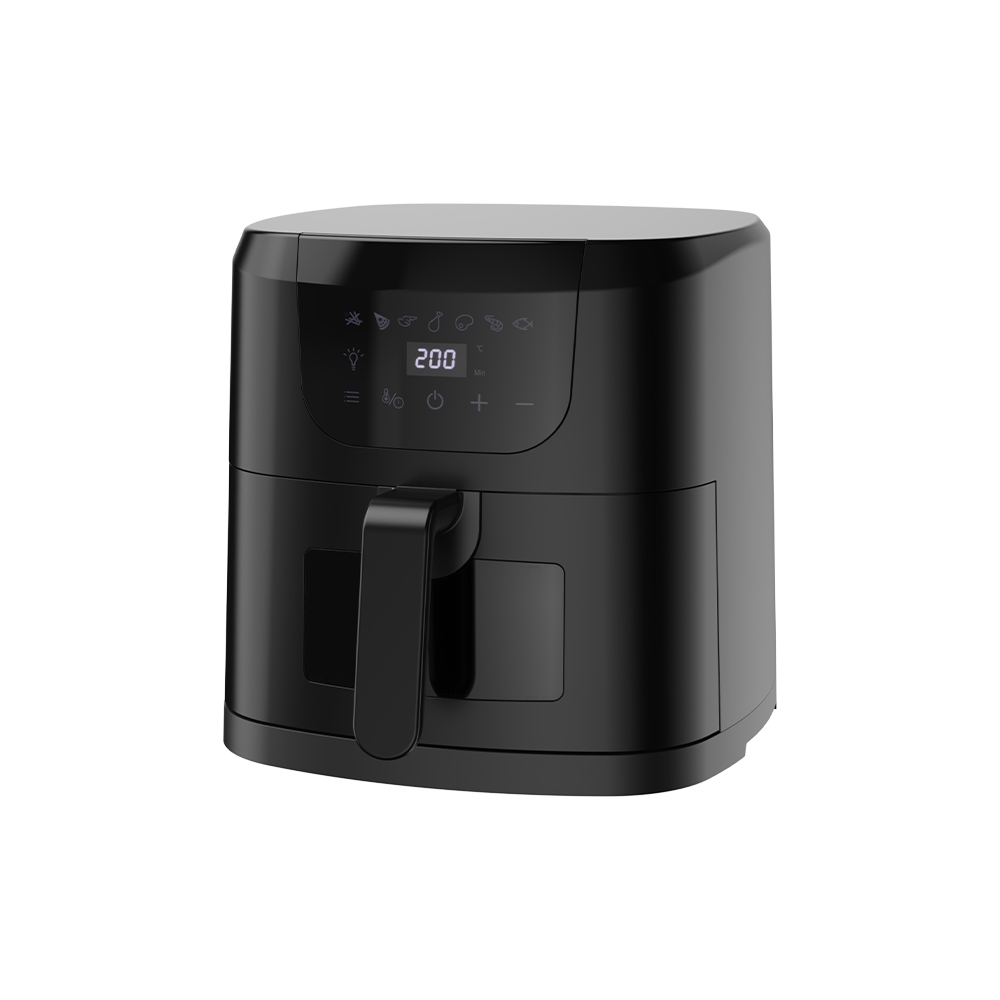
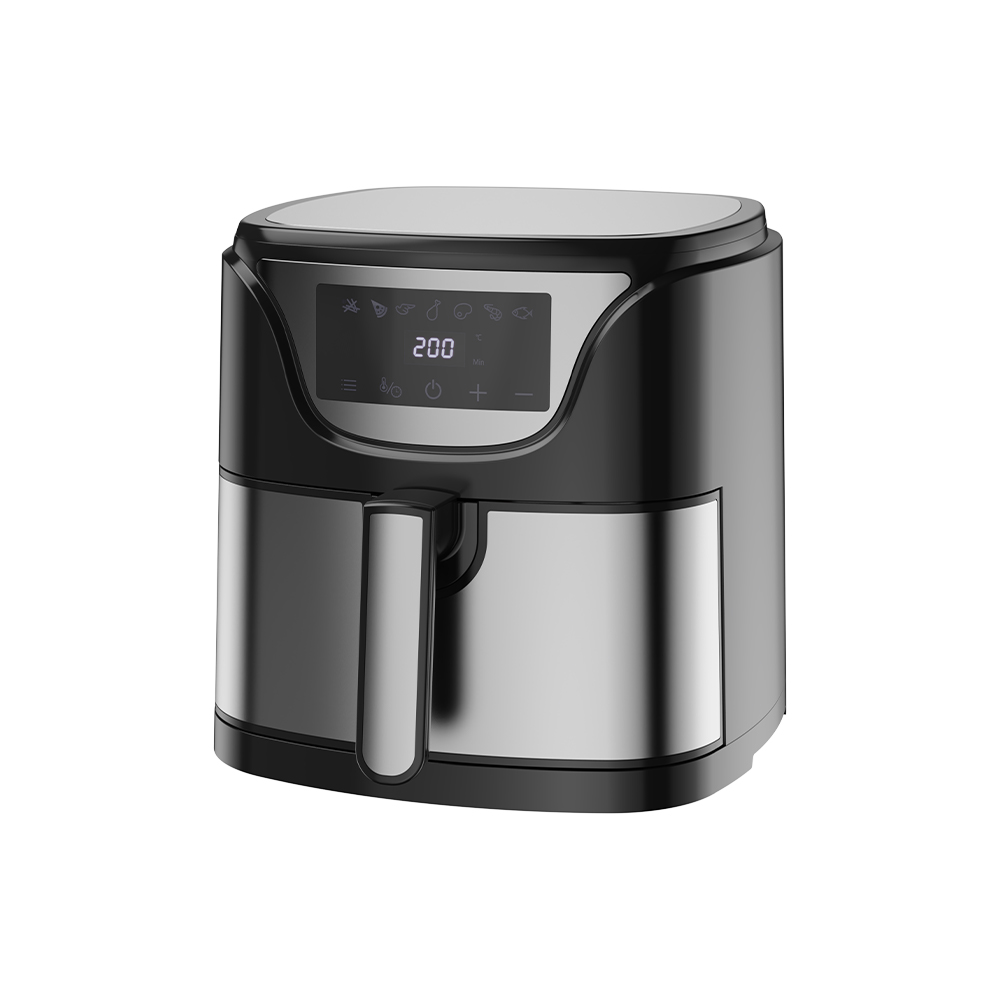
Presets are shortcuts, not magic. They simply set a recommended temperature and cooking time for a common ingredient. You can override them at any moment, and you should adjust them based on what you see when you open the basket. On a digital model with a clear display, such as a digital air fryer with a touch panel, you can raise or lower the temperature in small steps and watch the remaining time count down on the screen. That kind of feedback makes it easy to learn.
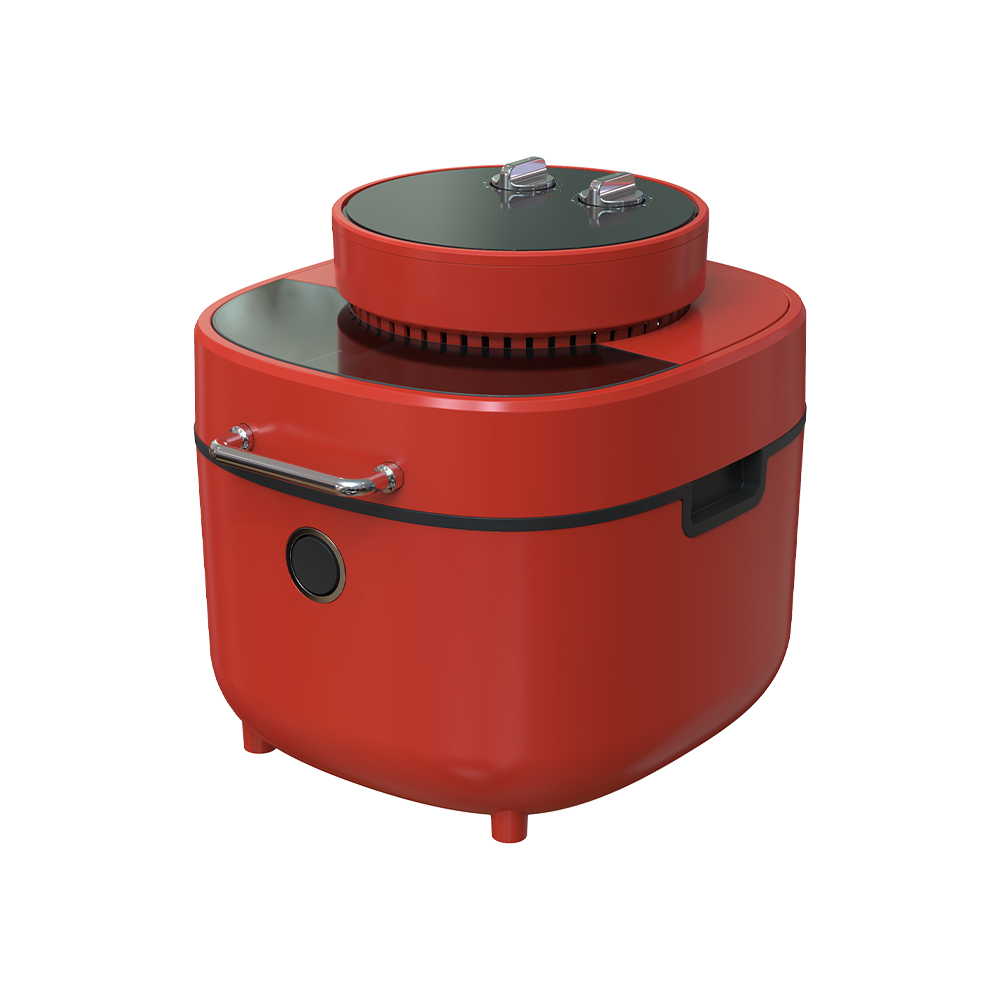
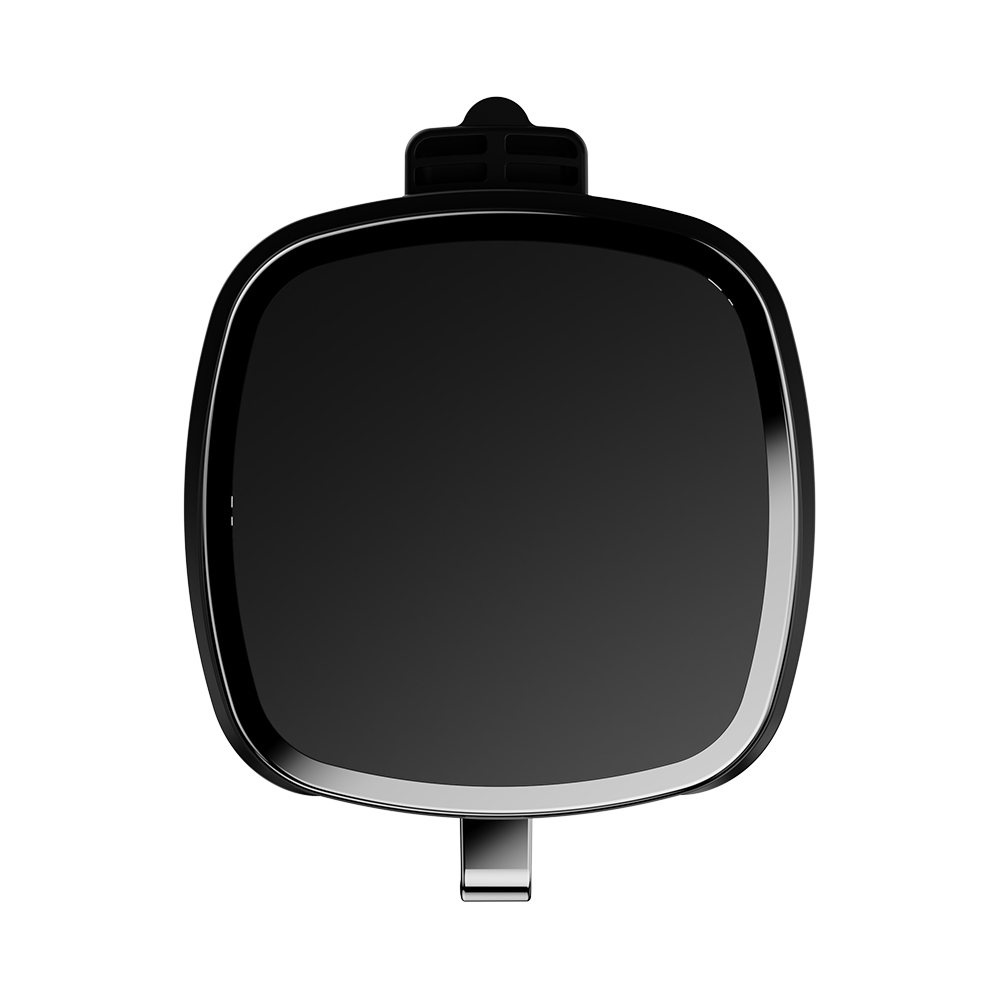 Wholesale VS-615L Digital Air Fryer Easy Touch Panel With A Fryer Steaming Rack Ningbo Vasion Electric Appliance Co. ,Ltd is China wholesale VS-615L Digital Air Fryer Easy Touch Panel With A Fryer Steaming Rack suppli...View Product →
How to cook with a digital air fryer, step by step
The basic routine stays the same no matter what you are making:
- Preheat the air fryer for three to five minutes at the temperature you will be cooking at. If the model has a dedicated preheat button, use it. Otherwise set the temperature, press start, and wait until the display signals that the target temperature is reached.
- Prepare the food. Pat wet ingredients dry because surface moisture keeps them from crisping. If the recipe calls for oil, toss the pieces in a bowl with a small amount of oil and seasoning first, rather than pouring oil into the basket.
- Load the basket in a single layer. Overcrowding blocks airflow and produces steamed food instead of crispy food. Cook oversized batches in two rounds, or shake the basket halfway through.
- Set the temperature and time. A 180 °C setting is a solid starting point for most frozen snacks. Use 190 °C for chicken pieces, breaded fish, and similar larger items.
- Shake or flip the food halfway through the cycle. Pause the timer, pull out the basket, shake it two or three times, and put it back. Use tongs for delicate items such as fish fillets or stuffed vegetables.
- Check doneness when the timer ends. If the food needs more time, add it in increments of two to three minutes. It is easier to add time than to repair burnt food.
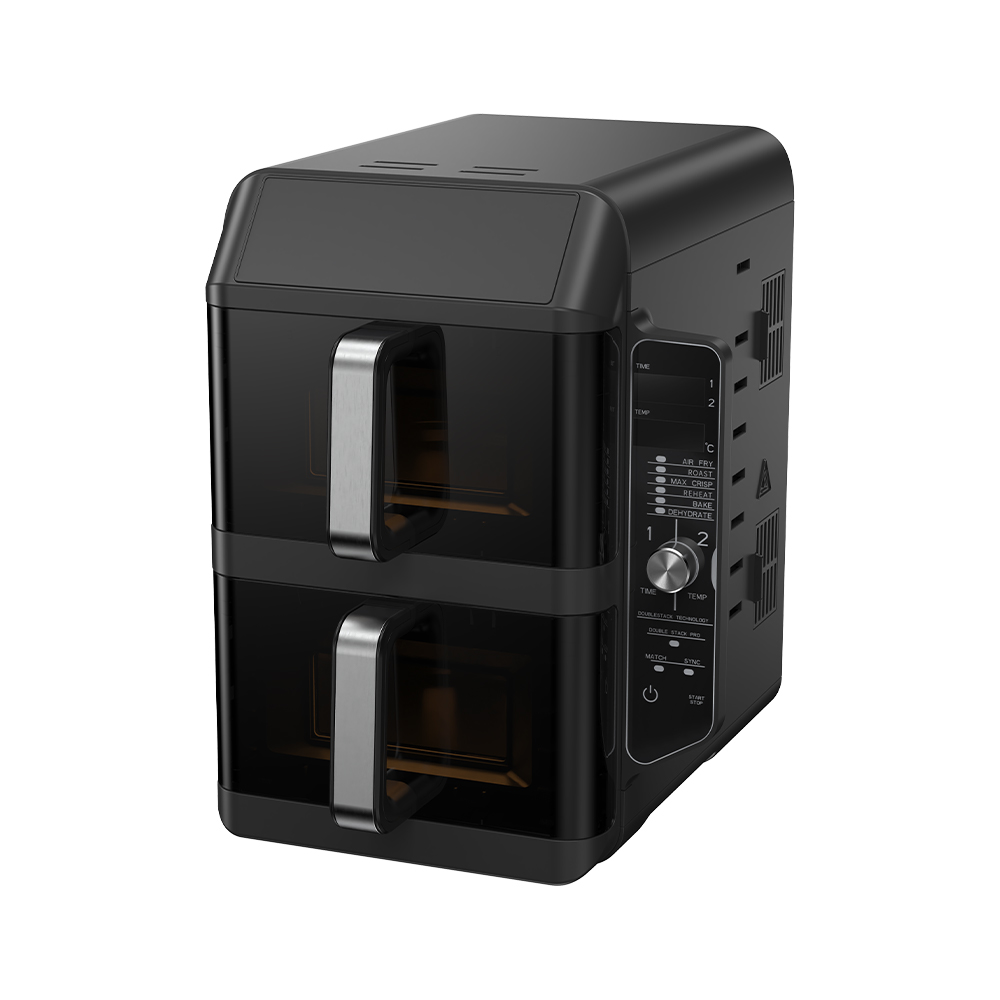
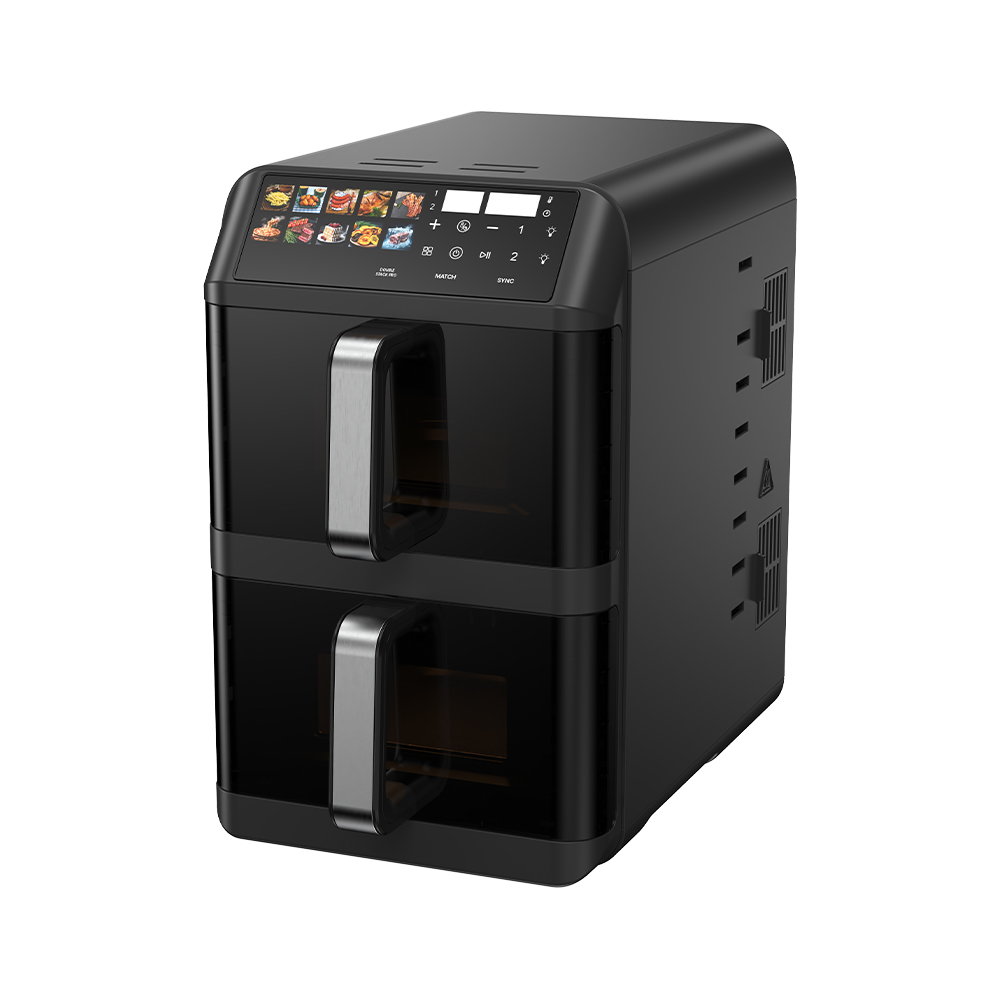
A model with a visible cooking window, like the 1600 W digital air fryer, lets you check the browning without opening the basket and letting the hot air escape. Once this sequence becomes a habit, using an air fryer takes roughly the same attention as a microwave, with much better results.
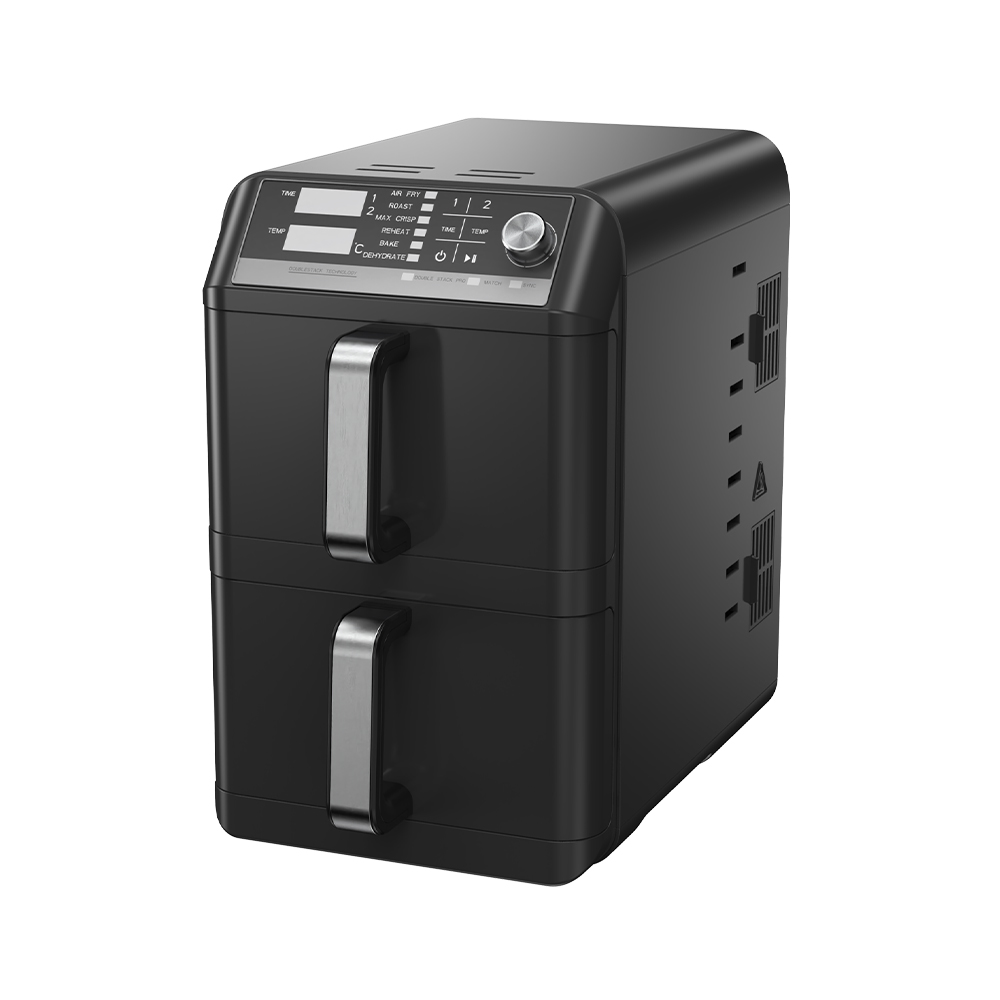
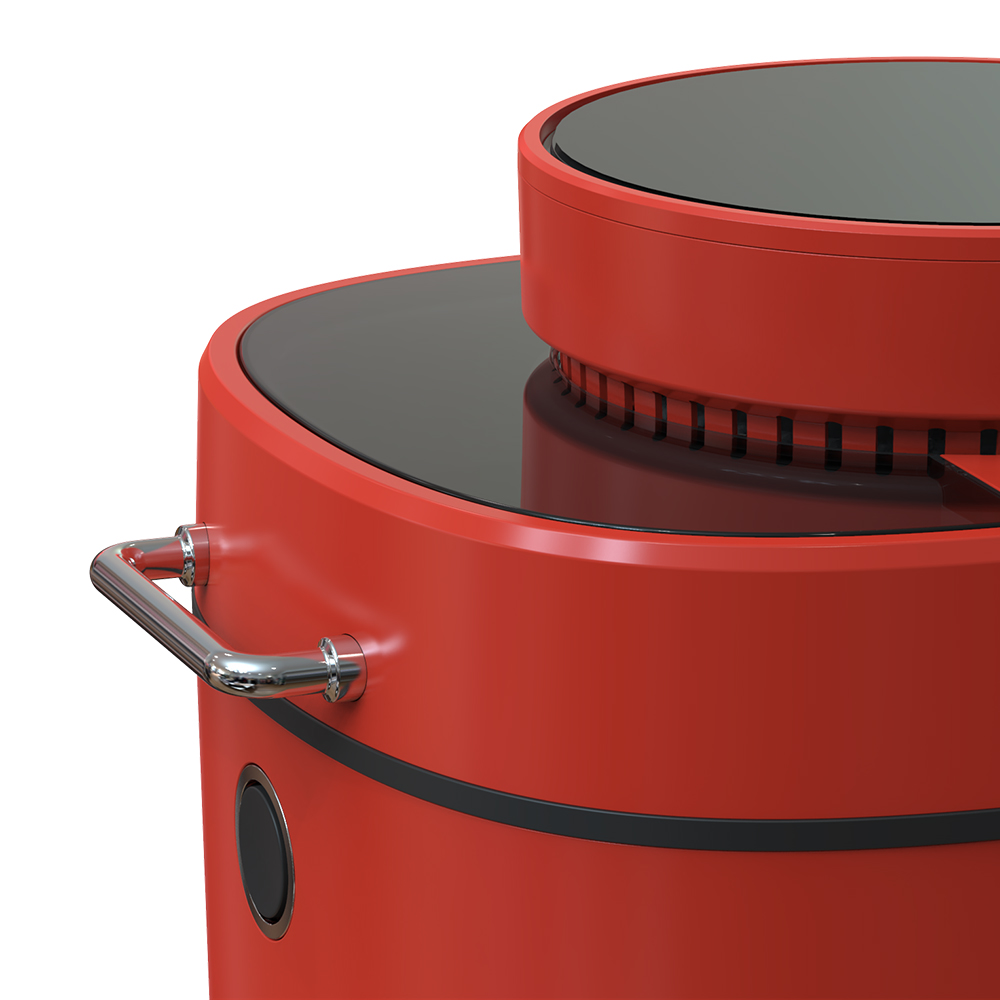 Wholesale VS-1218L/VS-1218LA 1600W Digital Air Fryer Suppliers, China Factory - Ningbo Vasion Electric Appliance Co. ,Ltd is China wholesale VS-1218L/VS-1218LA 1600W Digital Air Fryer suppliers and factory,1. 220-240/...View Product →
Temperature and time reference for common foods
The following settings are a useful starting point for a 5 to 5.5-litre air fryer. Adjust them for your specific appliance, the thickness of the ingredient, and how crispy you like the result.
| Food | Temperature | Time | Notes |
|---|---|---|---|
| Frozen fries | 180 °C | 15–20 min | Shake the basket halfway |
| Chicken wings | 190 °C | 22–28 min | Flip halfway; cook to 74 °C internal temperature |
| Salmon fillet | 180 °C | 10–14 min | No need to flip |
| Roasted vegetables | 190 °C | 12–18 min | Cut pieces to even size first |
| Breaded chicken cutlets | 190 °C | 15–20 min | Cook to 74 °C internal temperature |
| Reheating leftovers | 160 °C | 3–5 min | Better texture than a microwave |
Converting conventional oven recipes
If a recipe states 200 °C for 30 minutes in a regular oven, start with about 180 °C for 15 to 20 minutes in the air fryer. The general rule is to reduce the oven temperature by roughly 10 to 15 °C and shorten the cooking time by 20 to 30 percent. Then check the food at the halfway point and adjust from there. Because air fryers circulate air much faster than a conventional oven, they brown food noticeably sooner.
Practical tips for better results
Small adjustments separate good air fryer meals from mediocre ones:
- Do not add oil directly into the basket. It pools at the bottom and turns food soggy. Toss ingredients in a bowl with one to two teaspoons of oil per 500 g of food instead.
- Use parchment liners or aluminum foil sparingly. Never cover the full bottom of the basket because the perforations are critical for air circulation. Always press the liner down with food so the fan cannot pull it up toward the heating element.
- Preheat unless you are in a real hurry. Skipping it produces a softer crust and less even browning.
- Match the basket size to the portion. A large 8-litre air fryer cooks small batches faster on the surface, so reduce the temperature by about 5 to 10 °C when the basket is less than half full.
- Use accessories when they help. Models that ship with extra parts, such as the digital air fryer with a steaming rack
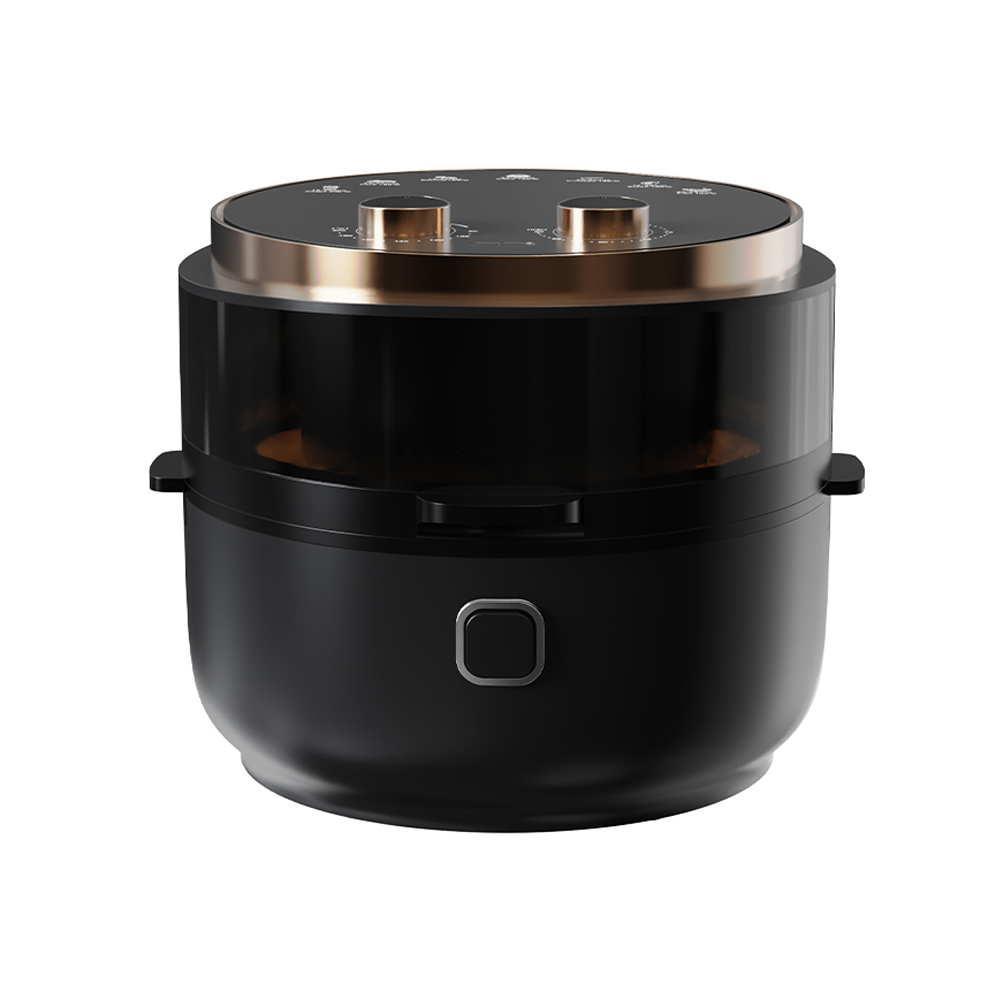
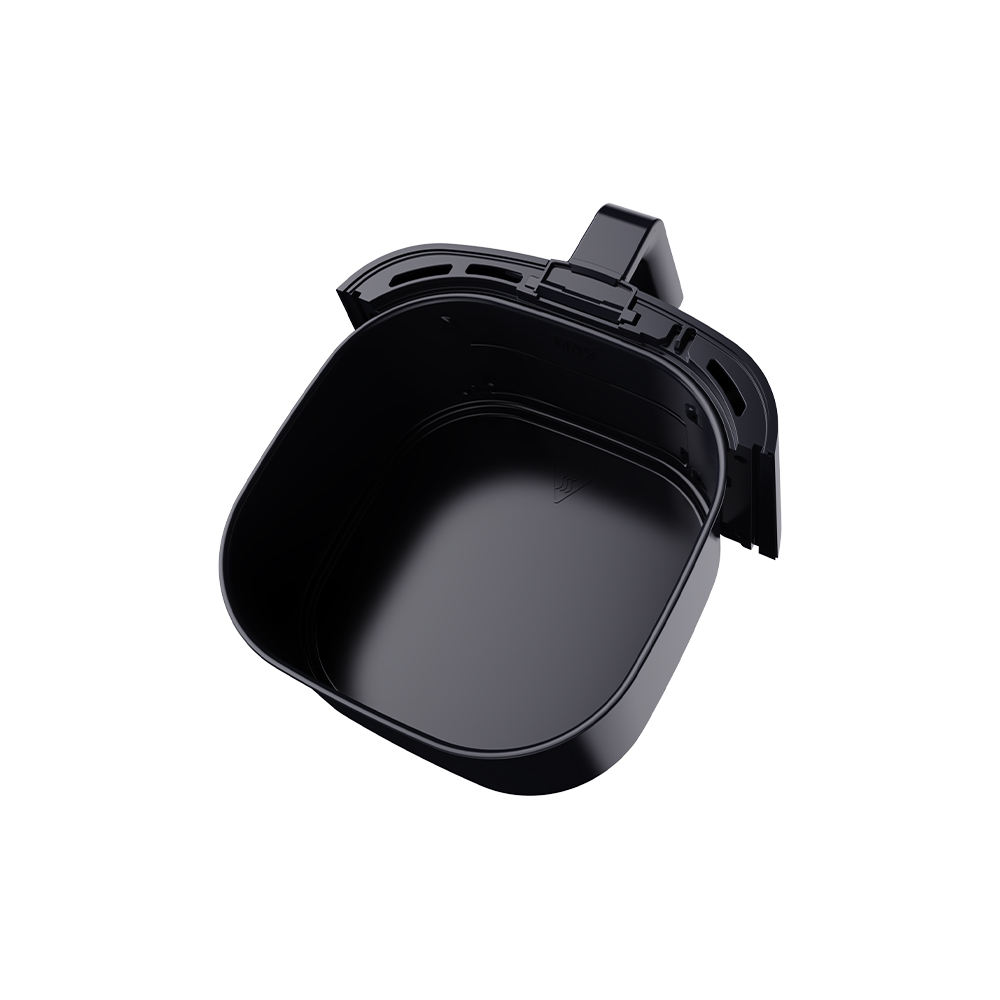 Wholesale VS-588L Digital Easy Touch Panel With A Fryer Steaming Rack Suppliers,Ningbo Vasion Electric Appliance Co. ,Ltd is China wholesale VS-588L Digital Easy Touch Panel With A Fryer Steaming Rack suppliers and fa...View Product →, let you add moisture cooking to the usual crisp function without buying a separate appliance.
If you are still deciding between basket sizes, this guide on how to choose an air fryer capacity explains how the litre rating translates to the number of servings you can actually fit in one batch.
Cleaning and maintenance
Wait until the basket cools completely before washing it. Most baskets and trays have a non-stick coating, so use a soft sponge and warm soapy water. Steel wool and abrasive pads will gradually strip the coating and shorten the life of the basket.
Wipe the inside of the unit with a damp cloth after the basket is removed. Check the heating element for grease buildup and clean it gently with a soft brush or cloth when cool. Never submerge the base in water.
A short cleanup right after each use beats a deep clean later. Grease that stays in the fan chamber will smoke when the air fryer preheats next time, and it can shorten the service life of the heating element.
Common beginner mistakes
Most air fryer disappointments come down to a handful of repeatable errors:
- Skipping the preheat. It only costs three minutes but changes the texture noticeably.
- Using too much oil. You need a thin coating, not a puddle.
- Opening the basket every minute to check progress. Every opening releases hot air and extends the actual cooking time.
- Trusting the preset without looking at the food. Presets are calibrated for average thickness and weight, and fresh-cut vegetables behave differently from frozen ones even under the same preset name.
- Filling the basket to the rim. Overloading is the fastest way to end up with steamed food instead of crispy food.
At the end of the day, a digital air fryer asks for very little: a preheat, a reasonable temperature, a halfway shake, and a proper wash. Stick to that pattern, and the controls that seemed intimidating out of the box will become second nature within a week.
+86-13567417935
-
E-MAIL
Lisa@vasion.com.cn
-
ADDRESS
No.3 Sitang Jiang Road, Gaoqiao Vllage, Xinpu Town, Cixi City, Zhejiang Province, PRC. China.
Copyright © Ningbo Vasion Electric Appliance Co. ,Ltd.All Rights Reserved.
Custom Small Kitchen Appliances Manufacturers

VASION ELECTRIC
